Source Semi Automatic Uv Glazing Machine for Packaging, Glass, and Paper
Find a semi automatic uv glazing machine for diverse industrial needs. Compare 30 listings featuring screen printing, glass sealing, and laminated cutting options. Evaluate specs like voltage, speed, and certification to select the right equipment for your production line; compare the available evidence and request quotations based on your requirements.
Key considerations
Products List


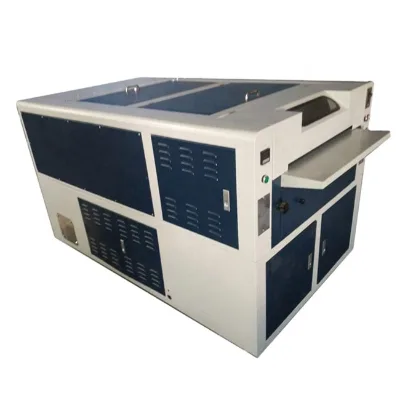
Glass Processing Machine Automatic Double Glazing Making Machine for Sale
$14700.00 - $23500.00
Moq: 1



Comprehensive Sourcing Guide
Semi Automatic UV Glazing Machine Sourcing Guide
Buyers evaluating semi automatic UV glazing machines must first distinguish between general screen printing equipment and specialized glazing units, as the supplied data reveals a mix of product types including stop-cylinder presses and glass cutting machines. The observed listings feature diverse models like the GST1050 and ZNJ2025, which serve distinct functions ranging from packaging printing to laminated glass processing. This variation necessitates a careful review of the specific machine type to ensure the equipment matches the intended glazing application rather than general paper or screen printing tasks.
Procurement decisions should prioritize verifying the exact machine classification against the buyer's production line requirements, as the data includes both vertical structures and specific glass sealing capabilities. While some listed items are automatic screen printing machines, others are explicitly defined as glass cutting or sealing units with different operational parameters. Buyers must confirm that the selected unit possesses the correct UV curing integration and structural design for glazing, rather than assuming all listed "glass" machines offer identical UV processing capabilities.
Product Scope and Observed Listing Signals
The market signals indicate a wide range of capabilities, with observed specifications covering paper sizes up to 1050x750mm and glass dimensions reaching 2500x4000mm. These figures suggest that suppliers offer machines capable of handling both standard sheet formats and larger industrial glazing panels, though the specific UV application must be confirmed for each model. Buyers should scrutinize the listed maximum and minimum sizes to ensure the machine can accommodate their specific substrate dimensions without requiring custom tooling or modifications.
Listing attributes such as working speeds of 5 to 40 meters per minute and printing speeds of 500 to 4000 pieces per hour provide a baseline for throughput expectations. However, these metrics often apply to the specific machine type listed, such as screen printing or glass cutting, rather than a unified UV glazing standard. Procurement teams must correlate these speed figures with the actual curing time required for their specific adhesive or sealant to accurately estimate production capacity and cycle times.
Technical Specifications to Verify
Critical technical verification begins with the power and voltage requirements, as the data shows a standard 380V input and 11kw power consumption for certain units. Buyers must ensure their facility infrastructure can support these electrical loads, particularly when integrating multiple machines or upgrading existing power supplies. The presence of Yaskawa servo motors in some listings indicates a preference for high-precision motion control, which is essential for maintaining alignment during the glazing process.
Dimensional constraints and material compatibility are equally vital, with observed specifications ranging from 55-gallon base materials to specific sealant outputs of 4 to 10 liters per minute. The maximum working pressure of 30MPa and air consumption limits must be matched against the buyer's hydraulic and pneumatic systems. Additionally, the curing agent requirements and cutting methods, such as diamond wheel cutting, must align with the specific glass types and lamination materials used in the production workflow.
Compliance and Safety Documentation
Safety documentation is paramount, especially given the inclusion of emergency stop buttons and specific safety features in the listed equipment. Buyers should request detailed safety manuals that outline the operation of these features and verify that the machine design adheres to local occupational safety regulations. The presence of certifications like ISO and CE in the data suggests a baseline of compliance, but these must be validated against the specific model and the regulatory environment of the buyer's location.
Regulatory compliance extends to the electrical and mechanical standards, where the listed CE certification and ISO standards serve as initial indicators of quality. However, buyers must confirm that these certifications are current and applicable to the specific machine configuration being purchased. It is essential to verify that the supplier provides comprehensive documentation for all safety systems, including pressure relief mechanisms and emergency protocols, to ensure full operational safety.
Cost Drivers and Commercial Terms
Cost drivers in this sector are heavily influenced by the complexity of the machine structure, such as the difference between stop-cylinder presses and vertical glass sealing units. The inclusion of high-end components like Yaskawa servo motors and specialized cutting wheels significantly impacts the final price, which can range from low-cost entry models to high-value industrial systems. Buyers should analyze the component list to understand the value proposition of each price point and avoid overpaying for features that do not align with their specific glazing needs.
Commercial terms regarding packaging and shipping are also critical, with observed options ranging from wooden cases to sea-worthy packages. These packaging methods affect the total landed cost and the risk of damage during transit, particularly for large glass processing equipment. Buyers must clarify who bears the responsibility for freight insurance and ensure that the packing method is robust enough to protect sensitive components like servo motors and precision cutting wheels during international shipping.
Supplier Qualification and Quality Control
Supplier qualification requires a deep dive into the origin and manufacturing standards, as the data points to origins in Shanghai and Jinan, Shandong. Buyers should verify the specific factory capabilities and quality control processes of these suppliers to ensure consistent production standards. The presence of a "New" condition status in the listings is a positive indicator, but it must be backed by a warranty and a clear after-sales support structure to mitigate the risk of equipment failure.
Quality control protocols should include pre-shipment inspections and functional testing of critical components like the curing agents and sealing outputs. Buyers must demand test reports that verify the machine's performance against the stated specifications, such as the maximum paper size and working speed. Establishing a clear communication channel for technical support and spare parts availability is essential to maintain operational continuity and address any potential issues that may arise during the initial deployment phase.
Long-Term Procurement Checks
Long-term procurement success depends on the availability of spare parts and the longevity of the machine's core components. Buyers should assess the supplier's inventory of critical parts, such as servo motors and cutting wheels, to ensure minimal downtime during maintenance cycles. The specific model numbers like GST1050 and ZNJ2025 should be cross-referenced with the supplier's parts catalog to confirm that replacement components are readily available and compatible with the purchased unit.
Future scalability and upgrade paths are also key considerations, as the industry evolves with new materials and faster production demands. Buyers should evaluate whether the machine can be upgraded with additional UV curing modules or automated feeding systems to extend its useful life. Establishing a long-term partnership with a supplier who offers technical training and regular maintenance services will ensure the equipment remains efficient and compliant with evolving industry standards over time.
FAQs
How fast can a semi automatic uv glazing machine print?
Typical printing speed for machines in this category ranges from 500 to 4000 pieces per hour, depending on sheet size and coating thickness. Actual output varies with operator handling, uv curing time, and the complexity of the artwork. For stable production, many buyers run machines below the maximum rated speed to keep coating quality consistent.
What paper sizes can the GST1050 semi automatic uv glazing machine handle?
The listed GST1050 model accepts a maximum paper size of 1050 by 750 millimeters and a minimum paper size of 560 by 350 millimeters, giving a maximum printing size of 1050 by 740 millimeters. Buyers should confirm that their standard sheet formats fall within this window before ordering, as oversized or very small sheets may require manual handling.
Which certifications come with these semi automatic uv glazing machines?
Listed machines carry ISO and CE certification according to the product page, which supports basic quality and safety expectations for international buyers. Certification coverage can differ between individual models and production batches, so buyers should request the current certificate copies and scope of application from the supplier before finalizing a purchase contract.
Can a semi automatic uv glazing machine be customized for packaging printing work?
Yes, customization is listed as available, and these presses are applied to packaging printing with multi-colour printing capability. Typical customization options may include coating units, feeding adjustments, and control settings to match specific substrates. Buyers should describe their product mix, board thickness, and expected output so the factory can propose a suitable configuration and quotation.
How is a semi automatic uv glazing machine packed for shipping?
The listed packaging method is a wooden case, which protects the press structure during long-distance transport and handling. Wooden case packing is common for heavy printing machinery because it supports anchoring and moisture protection. Buyers should confirm case dimensions, container fit, and whether seaworthy reinforcement or extra desiccant packing is included in the quoted price.
What power supply does a semi automatic uv glazing machine need?
Related equipment in this listing category operates at 380 volts with power ratings around 11 kilowatts, reflecting industrial three-phase requirements common for uv curing systems. Buyers should verify their factory's available voltage and install appropriate wiring, breakers, and grounding before delivery. Uv lamps may add significant load, so total facility capacity should be checked with an electrician.
Where are these semi automatic uv glazing machines manufactured?
The listed machines originate from Shanghai, China, with related printing and converting equipment also sourced from other Chinese production regions such as Jinan, Shandong. Shanghai remains a major hub for printing machinery, giving buyers access to factories, spare parts, and technical support. Buyers typically compare several manufacturers on specifications, certification, and export experience before ordering.
Which inputs work best on a semi automatic uv glazing machine?
Related automatic machines in this listing are applied to paper printed and paperboard substrates with automatic input mode, which suits uv varnishing of cartons, boxes, and printed sheets. Semi automatic operation means sheets are fed with operator assistance while the glazing and curing cycle runs under machine control. Coating weight and curing speed should be adjusted per substrate.